
Villánykövesd
Villánykövesd is situated in the south of Baranya county, at the foot of the Villány Mountains emerging out of the plain of the Drave banks, 13 kms from Siklós, and 30 kms from Pécs. The settlement is a real jewel of the Villány-Siklós wine route.
monuments of villánykövesd
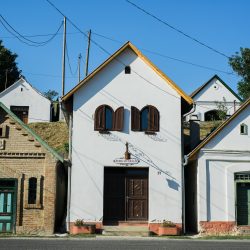
3-level cellar row
The fact that the traveller is in a wine region with a long tradition is revealed by the Monument Cellar-row consisting of 57 closely attached cellars located on two or three street levels on the hillside. The ensemble under monument protection is an architectural curiosity and a special photographic theme. From here a 2-hectare park can be seen below where a playground for the joy of children is located. For the opening hours of the cellars of Villánykövesd click here.t!
The Roman Catholic church was built in late barroque style in 1780, with a tribute to Virgin Mary.


wine cathedral and wine song festival
Another excellent sight of the region is the Batthyány cellar, or ″wine cathedral″, named after the former laird, which is today in the possession of the cooperative farms of Villány. The fascinating sight of the barroque cellar culture does evoke a real cathedral. Its wooden barrels can contain 4000 hectolitres of wine. In the second half of September the opening ceremony of the International Wine Song Festival of Pécs, which is becoming more and more popular worldwide, has been celebrated for years. For its visiting options click here.
History of villánykövesd
In written sources from 1290 it is named as Kuestd, then, after 2 centuries, in a document dating from 1436 it has the name Kwesd.
In the Árpád-era the village was inhabited by Hungarians, its main holders were the Siklóssy family. In the Turkish times Serbs settled down in the more and more depopulated village, their lords were the Zrínyis.
In the 1750s numerous German families moved into the village. The Germans brought a high-quality wine-growing culture into the region. The village became one of the most significant wine-growing areas of the lordship of Bóly.
The settlements and deportations following World War II concerned the village, as well, Hungarians arrived from the environs of Debrecen and Felvidék. In spite of this, the population that remained here has preserved the way of life and culture of the Swabians to this day.

One of our offers is nice?
Click on the booking button and select the desired package offer from the drop-down menu, or request our offer!
Do you have a special request?
We are happy to assist you!

